
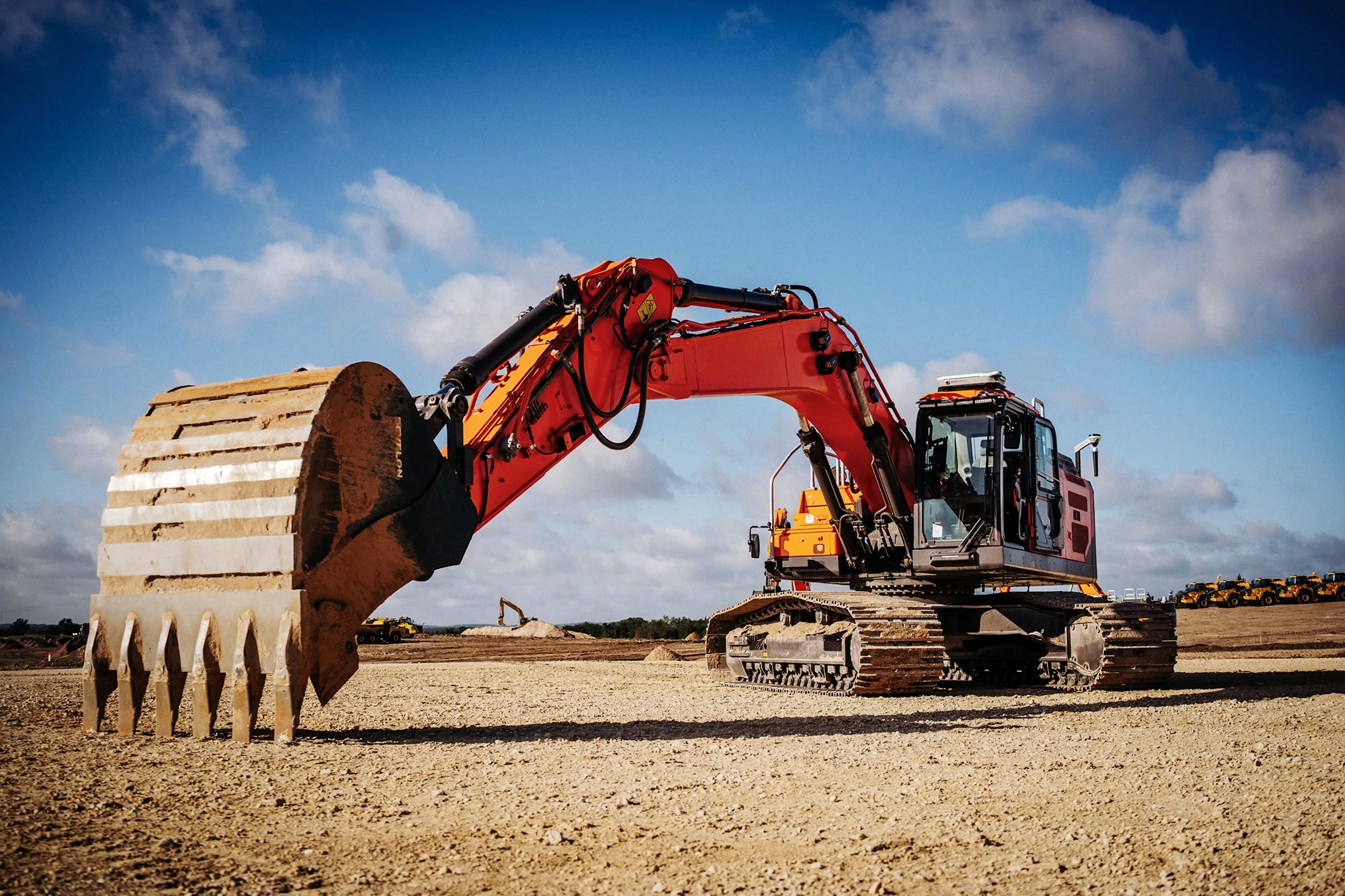
As Gravis Robotics moved from prototypes toward production, they encountered growing limitations with ROS 2, including complex DDS configuration and debugging, restrictive build tooling for embedded targets, limited message evolution, large dependency trees, and the lack of a clear path toward safety certification. Rather than taking on the complexity of developing their own middleware, Gravis Robotics decided on an incremental migration toward a more flexible communication architecture while continuing to rely on open-source solutions.
We wanted a ‘ROS-like’ solution, i.e. an ecosystem with an active community, providing a scalable, stable and mature middleware applicable to all our relevant platforms and programming languages, but without pulling in a large dependency tree or forcing design decisions on us that we don’t want.
Following extensive research and proof-of-concept development, Gravis Robotics selected iceoryx2 as the foundation for its future communication stack. Its high-performance zero-copy IPC, small dependency footprint, and flexibility across platforms made it a strong fit while preserving Gravis Robotics' architectural sovereignty.
The choice of iceoryx2 became clear after research, PoCs and meetings with ekxide. Their experienced developers, with a strong track record in middleware and deployment, helped us map our vision onto the current state and roadmap of iceoryx2.
To close the remaining gaps, Gravis Robotics partnered with ekxide to sponsor first-class FlatBuffers support and a generic ROS 2 gateway directly in upstream iceoryx2. These extensions enable a gradual migration, starting with their lidar pipeline, while allowing existing ROS 2 components to continue operating alongside iceoryx2. By investing upstream rather than maintaining proprietary workarounds, Gravis Robotics benefits from implementation and ongoing maintenance by the iceoryx2 authors while contributing capabilities available to the broader open-source community.
Investing in iceoryx2 features was mostly a strategic decision. It allowed us to save a lot of time since ekxide handled implementation and maintenance from the start, letting us as a customer focus on preparing the migration beyond ROS.